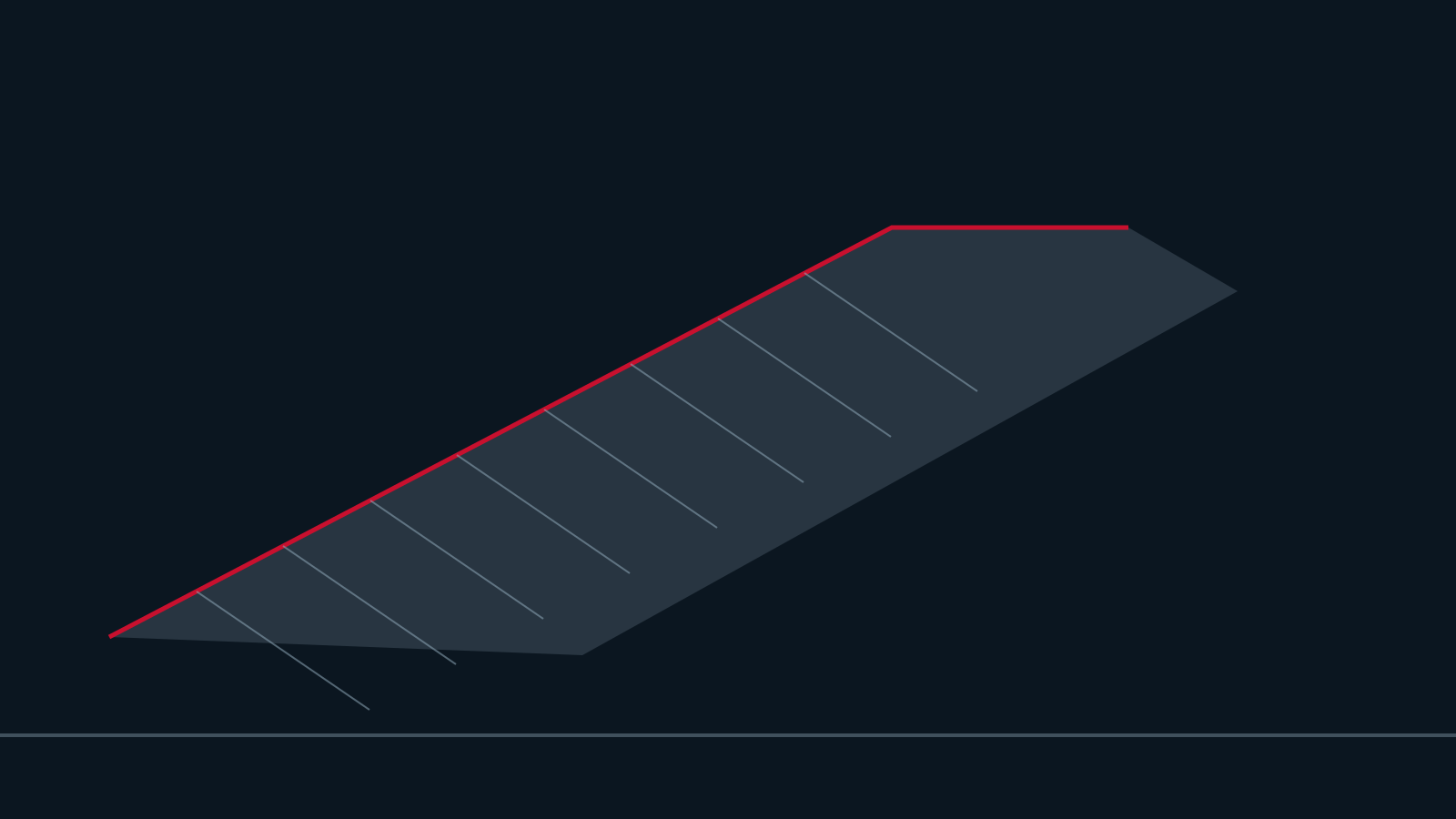
After seven years in the planning system, the expansion scheme has been approved. The airport gets a third pier, 24 additional stands and a reconfigured taxiway system. What it also gets is a set of conditions that will govern how the airport operates well beyond the construction period.
The conditions matter more than the concrete
Four conditions stand out.
- A rolling noise envelope measured over a 92-day summer window rather than an annual average, which removes the ability to offset a loud August against a quiet February.
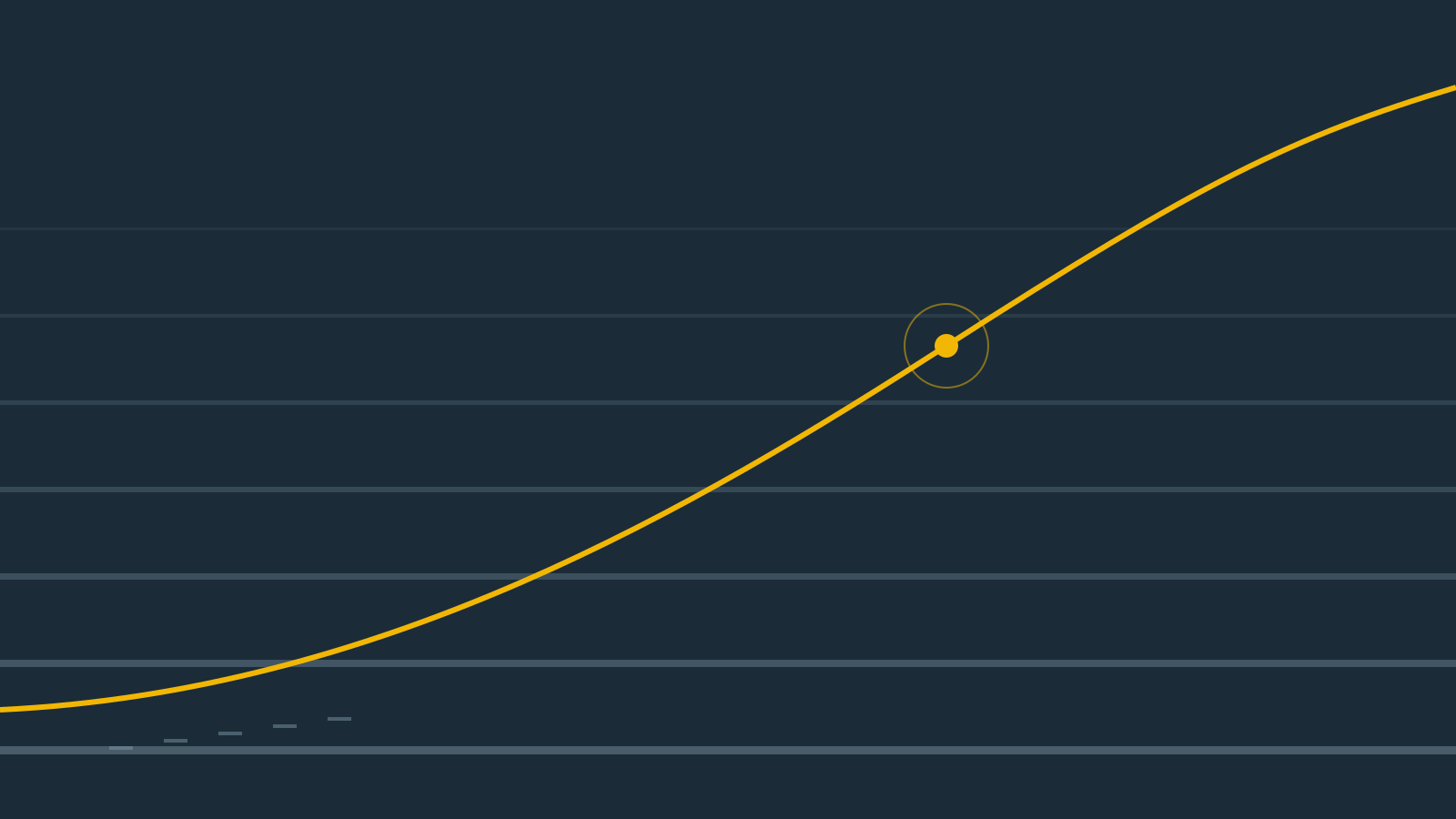
- A binding surface-access target: 55 per cent of passengers arriving by public transport by the tenth year of operation, up from 41 per cent today.
- A phased release of stands, with the final eight unlocked only once the surface-access target has been met for two consecutive years.
- Continuous emissions monitoring at four boundary locations with published quarterly data.
The stand-release condition is the one operators are studying most closely. It effectively makes the airport's capacity contingent on a rail investment the airport does not control.
Cost and timing
The construction estimate has not been updated since the inquiry closed. Given inflation in civil engineering over that period, the published figure should be treated as historic rather than current. The airport has said a revised business case will be issued before the first contracts are awarded.
Phasing runs across eight years. The first pier section is scheduled to open in year four, which means the operational relief airlines have been asking for since 2019 arrives, at the earliest, in 2030.
What airlines will do in the meantime
Nothing dramatic. Carriers have already adapted to the constraint by shifting marginal frequencies to secondary airports and by lengthening turnarounds to reduce the peak stand demand. Neither is efficient, but both are cheaper than waiting on a construction programme.
The more interesting response is contractual. Two based carriers are understood to be seeking longer stand-allocation guarantees as a condition of committing further aircraft, which would lock in their position before the new capacity arrives and any reallocation debate begins.