Pavement condition surveys carried out in the spring left little room for argument: the main runway needs resurfacing this season. The work will run for eleven weeks with nightly closures from 22:30 to 05:30, and it has already reshaped the summer schedule.
How the phasing works
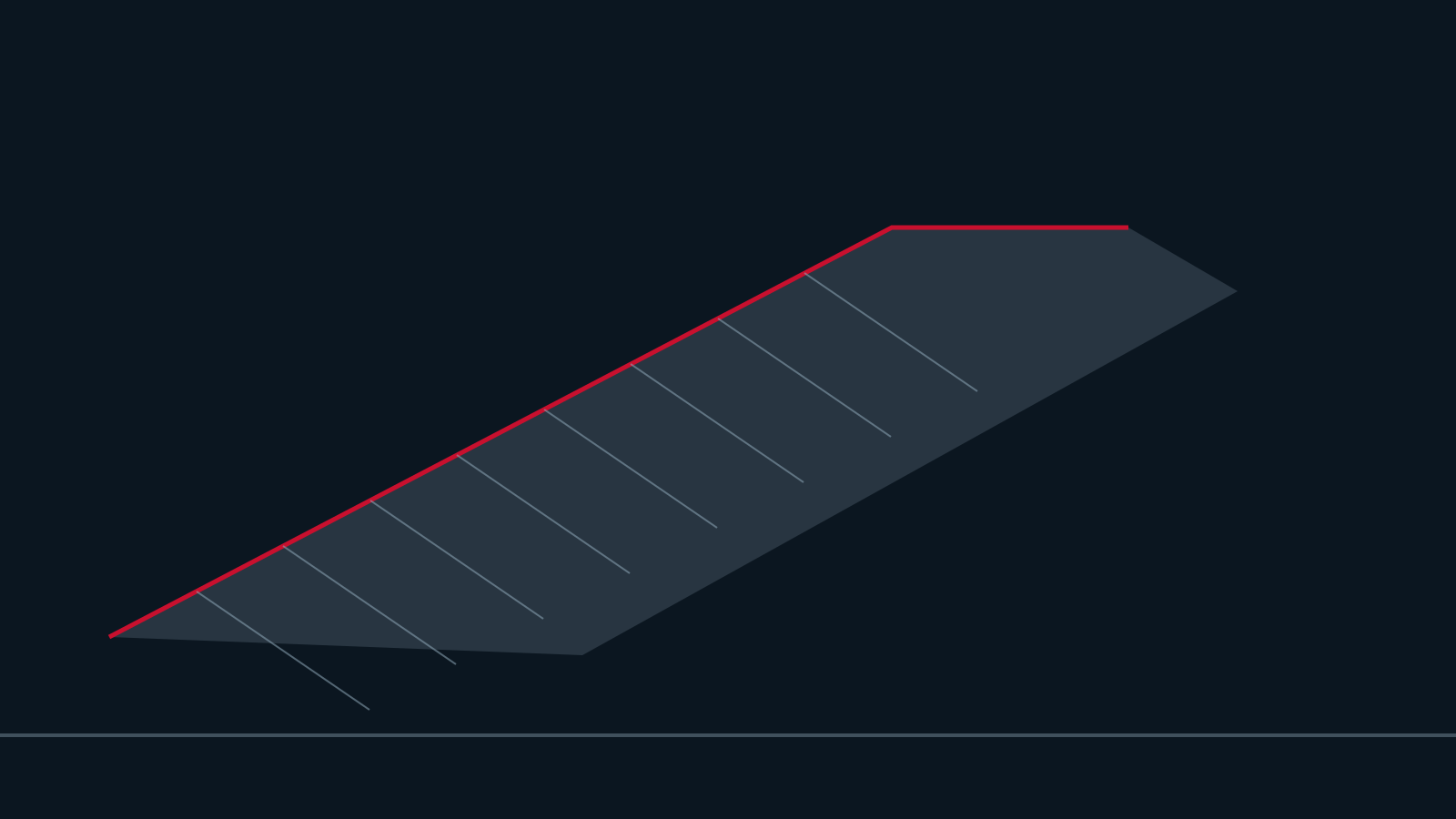
Each phase resurfaces a 300-metre section, working from the threshold outward. The runway is handed back before the morning arrival bank every day, which requires the contractor to complete lay, compaction and cooling within the closure window. There is no contingency night; a weather delay pushes the whole programme back by a week.
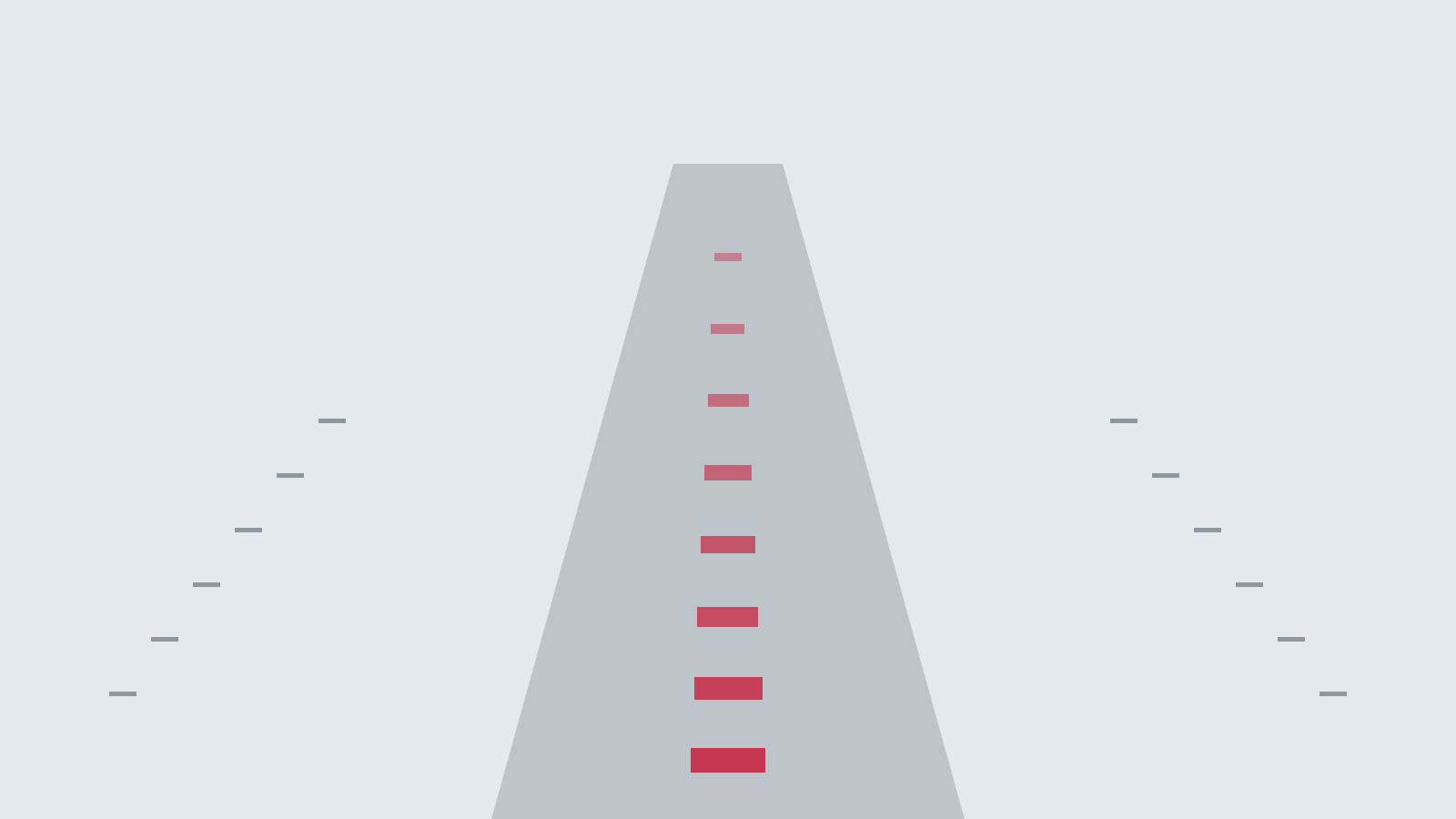
Displaced thresholds during the day reduce the declared landing distance for part of the programme. For most narrowbody operations that is immaterial. For long-haul departures at maximum takeoff weight in warm conditions, it is not, and several rotations have been retimed to earlier in the day.
Cargo took the biggest hit
Overnight freight is the traffic most exposed to a night closure, and cargo operators have moved rotations rather than accept the disruption. Two integrators have shifted their nightly build-up to a secondary airport for the duration, adding a trucking leg of about 90 minutes each way.
That trucking leg is not free, and neither is the additional handling. But it is predictable, and predictability is worth more to a freight network than proximity.
The question after the work
The interesting part comes in the autumn. Cargo operators who have spent a summer running a workaround sometimes discover the workaround is acceptable. Airports that lose overnight freight to a temporary arrangement do not always get it back, particularly when the alternative airport has spare capacity and lower charges.
Airport management is aware of this. Charges for overnight freight movements have been held flat for the following two years, which reads less like a pricing decision than an insurance policy.